Suffer the little children to come unto me
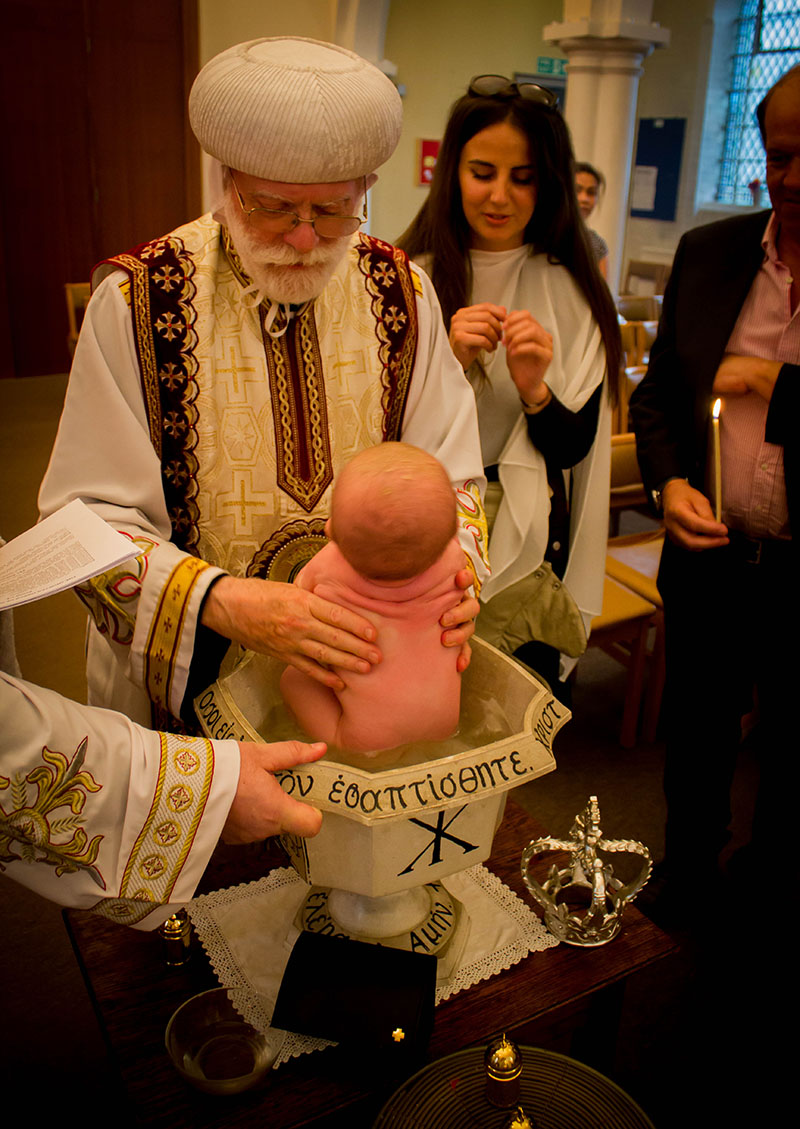
On Sunday, 29 May – following the Divine Liturgy at The British Orthodox London Mission of St. Thomas the Apostle at Charlton – Abba Seraphim, assisted by Archdeacon James and Subdeacon Athanasius Hall, baptised and chrismated eleven-week-old Alexander Peter Nicholas Sidoli of Rotherhithe, whose godparents had travelled from Wales and Shropshire to make their vows on his behalf. Alexander, whose ancestry is a mixture of Italian Catholic and Ukrainian Orthodox, also received his first communion and Abba Seraphim spoke of the Orthodox tradition of infants receiving chrismation (or confirmation) at the same time as baptism, which meant that they become full church members from the outset and are able to enjoy the blessing of Holy Communion from their childhood to enable them to grow spiritually, as well as physically, in their formative years.

Coptic pilgrims murdered
The sickening news which broke this morning of the vicious attack on a busload of Coptic Christian pilgrims, in which at least 26 passengers were killed and a further 25 wounded, is the latest atrocity to be committed by murderous fanatics, masquerading as religious zealots. It comes at a time when the United Kingdom is still stunned and horrified by the massacre of innocents in Manchester. Over the past few years the frequency of attacks on Christians around the globe has become so common that there has been a danger of us becoming desensitised to their suffering, tending to regard such events as a symptom of social and political chaos in countries lacking strong and stable governments. It is clear, however, from the spontaneous outburst of compassion and common humanity which the Manchester atrocity has ignited, that the British public is still largely tolerant, humane and loving and would regard the cruel treatment of innocent victim elsewhere with the same abhorrence as we do for attacks on our own citizens. Indeed, Egypt is an ancient civilisation with a responsible and just government, which is doing everything within its power to protect all its people, regardless of their religious affiliation and, like us, most Egyptians reject the divisiveness of religious bigotry and long for peace and concord.
The perpetrators of these acts of evil are fully aware that their savagery occurs on the eve of the Islamic Holy month of Ramadan, which the prophet of Islam tells them is the month “whose beginning is mercy”, when the devout, through prayer and fasting and the giving of alms, seek forgiveness of their sins. As Christians we can identify with such religious aspirations, because we know that hatred, destruction and murder have no place in true religion. Such actions unjustly bring shame on god-fearing Muslims, who would never countenance such wickedness, and we must rejoice that among the thousands who came out onto the streets of Manchester and other cities around the world, to express their grief and opposition to violence, many were Muslims.
New edition of “The Glastonbury Confession” published
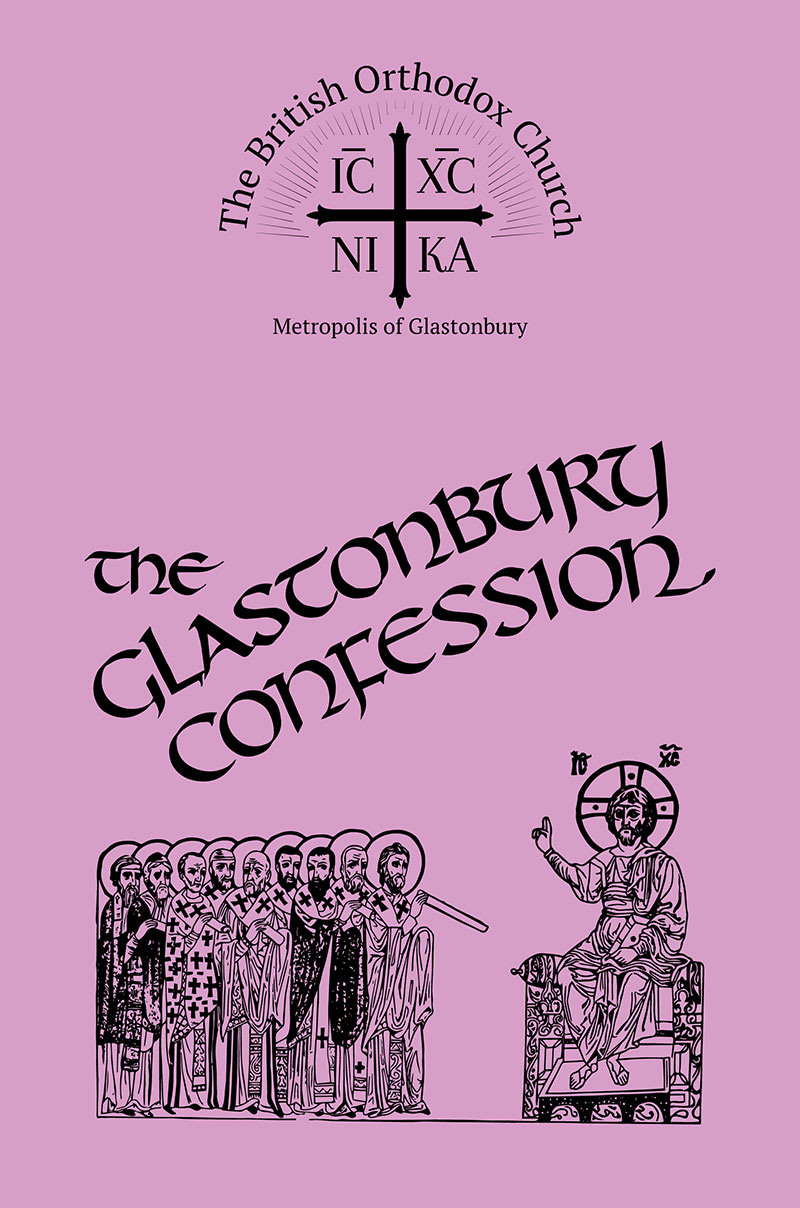
A fifth edition of The Glastonbury Confession has just been issued by the British Orthodox Press, some sixty-five years after it was first published by the late Metropolitan Georgius (1905-1979).
In 1994, when the British Orthodox Church united with the Coptic Orthodox Patriarchate of Alexandria, the Protocol determining our relations simply stated that the British Orthodox Church “confesses the same faith as the Coptic Orthodox Church and rejects all that the Coptic Orthodox Church rejects.” Although the late Pope Shenouda III accepted the Confession as a sound exposition of our Orthodoxy, it was no longer deemed necessary to have a distinctive statement of faith, and it was accordingly withdrawn from circulation. However, in 2015, when the British Orthodox Church returned to its status as an autocephalous jurisdiction, the need to express our faith clearly and unambiguously necessitated the re-adoption of The Glastonbury Confession as the Dogmatic Constitution of the British Orthodox Church.
In publishing a fifth edition the only change made from the fourth edition is in Article 3 of Chapter VI, where previously seven councils were recognised as ecumenical, a tradition derived from Bishop Julius of Iona in 1866, despite the church’s original Apostolic Succession deriving from the Syrian Orthodox Church of Antioch. Without impugning the integrity of the faith of those Orthodox Churches recognising seven councils as ecumenical, the British Orthodox Church professes only three, desiring to continue as a jurisdiction faithfully adhering to the Oriental Orthodox tradition and venerating her predecessors and fathers among the saints who rejected the Council of Chalcedon of A.D. 451. Indeed, the church’s understanding of these differences fully accords with the Second Agreed Statements and Recommendations agreed by the Joint Commission for Theological Dialogue between the Orthodox Church and the Oriental Orthodox Churches, held at Chambésy, Switzerland, 23-28 September 1990; whereby both families accept the first three Oecumenical Councils and, in relation to the four later Councils of the Orthodox Church, the interpretations provided by the Orthodox Church in the Second Agreed Statement are ones which the Oriental Orthodox tradition can respond to positively.
The Confession contains some ninety-one articles, divided into ten chapters dealing with God and His Creation; Divine Revelation; the Person and Work of Christ; the Person and Work of the Holy Ghost and Grace; the One, Holy, Catholic and Apostolic Church; the Sacred Scriptures and Apostolic Tradition; Charism of Office in the Church; Divine Worship and the Sacramental Life; Life in Christ and Eschatology. It is a valuable exposition of the Orthodox Catholic and Apostolic Faith of Undivided Christendom which can be useful for catechesis among enquirers, wishing to learn more about Orthodoxy.
The Glastonbury Confession is a 106-page paperback. Copies can be ordered either directly from the British Orthodox Church Secretariat, 10 Heathwood Gardens, Charlton, London, SE7 8EP for £9.95 plus £2.99 postage (U.K. only) or online from Lulu.com for £9.95 plus postage (UK and abroad).
A Gathering of Solitaries
On 13th May, Father Alexis Raphael participated in a day retreat in Birmingham for members and friends of ‘Single Consecrated Life’, an Anglican network of solitaries. He met solitary monastics from a variety of traditions, from Evangelical to Anglo-Catholic, where participants shared the stories of their respective call to the solitary life. Developments in the religious life in the UK were discussed and there was a talk on Christian Healing given by Sister Beverly SCL. There was a vegetarian lunch and plenty of opportunities to meet other solitaries. Father Alexis felt encouraged that so many people of different ages, traditions and walks of life are embracing the solitary call in Britain today and was also pleased to learn of an increase in interest in the solitary vocation has been reported.
Remembering Yorkshire Hermits

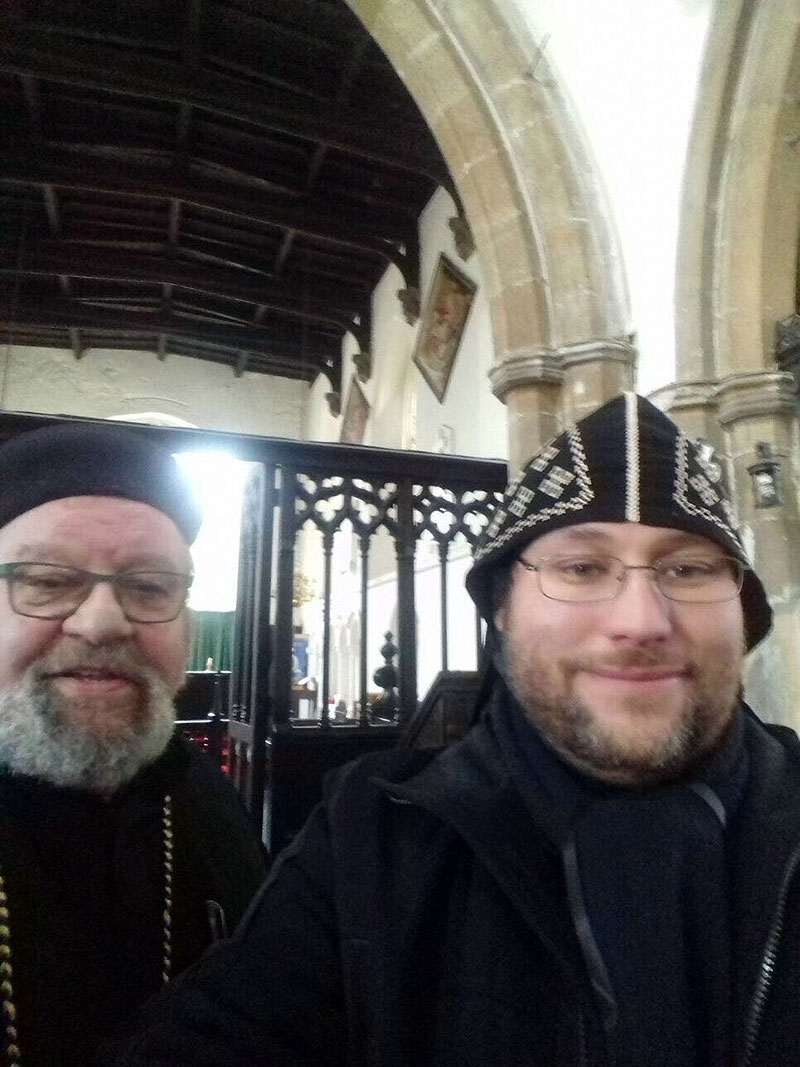
On Sunday 6 May Fr Alexis Raphael and Fr David Seeds were given a tour of Sprotbrough parish church near Cusworth, Doncaster, by local historian Ted Rimington. They saw the grave of the medieval hermitess Margaret Tatersall, who died in 1438, and other artefacts, such as the rood screen and choir stalls which came from St Edmund’s Hospital, which was founded about 1270 by Thomas Fitzwilliam and his son, William, as an anchorage for two female recluses. This was attached to the hospital of St Edmund, the master acting as keeper of the lands which endowed the anchorhold. The Ancres Chapel at “the Ancresse Ings” in Sprotbrough, was later corrupted as Anchorage Lane.
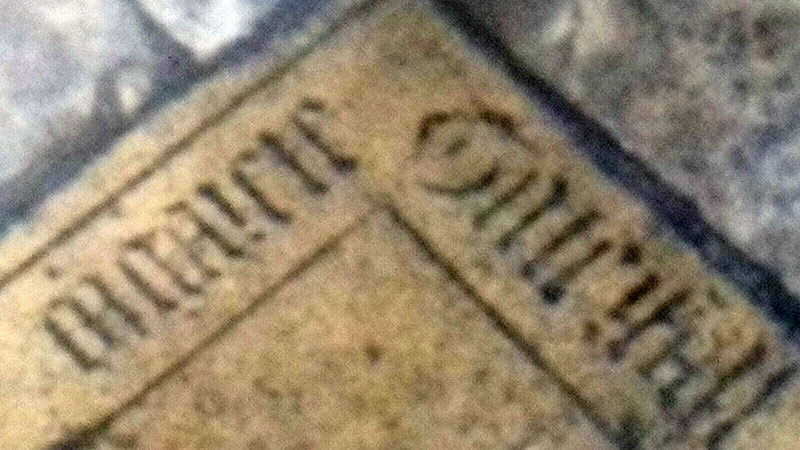
The first two anchoresses were sisters, Anabel and Helen de Lisle, and another anchoress with the same surname entered in 1294, perhaps replacing one of the sisters. In 1300 Beatrice de Hodesack, who was a fugitive nun from the Scottish priory of Coldstream, who had fled at the approach of war in which her nunnery had been destroyed, was admitted. By 1315 however her position had been regularised by Archbishop William Greenfield of York, and she remained in her cell until her death in or after 1328. She had a companion whose name is unrecorded. The Fitzwilliams continued to support the anchoresses: in 1348 Isabel Fitzwilliam left to the Lady Joan, anchoress, a robe of her order. Another anchoress was Margaret Tatersal whose tomb is in the parish church. In 1481 Elizabeth Eltoft, widow, sought to be enclosed in the chapel of St Edmund. She was to be enclosed as a postulant for one year and then to make her profession. She did this being of good conversation and honest life, and without a man, and not because of poverty or other illegitimate reasons. It is probable that anchoresses, or at least an anchoress, was still there at the Dissolution of the monasteries in 1536. Sprotbrough was an important site for medieval hermits and Fr Alexis was delighted by the opportunity to see the parish church as he is researching monastic life in the area near the BOC Cusworth parish.